

Colombian Single Origin Coffee: Consistency, Innovation, and Regional Identity
June 08, 2025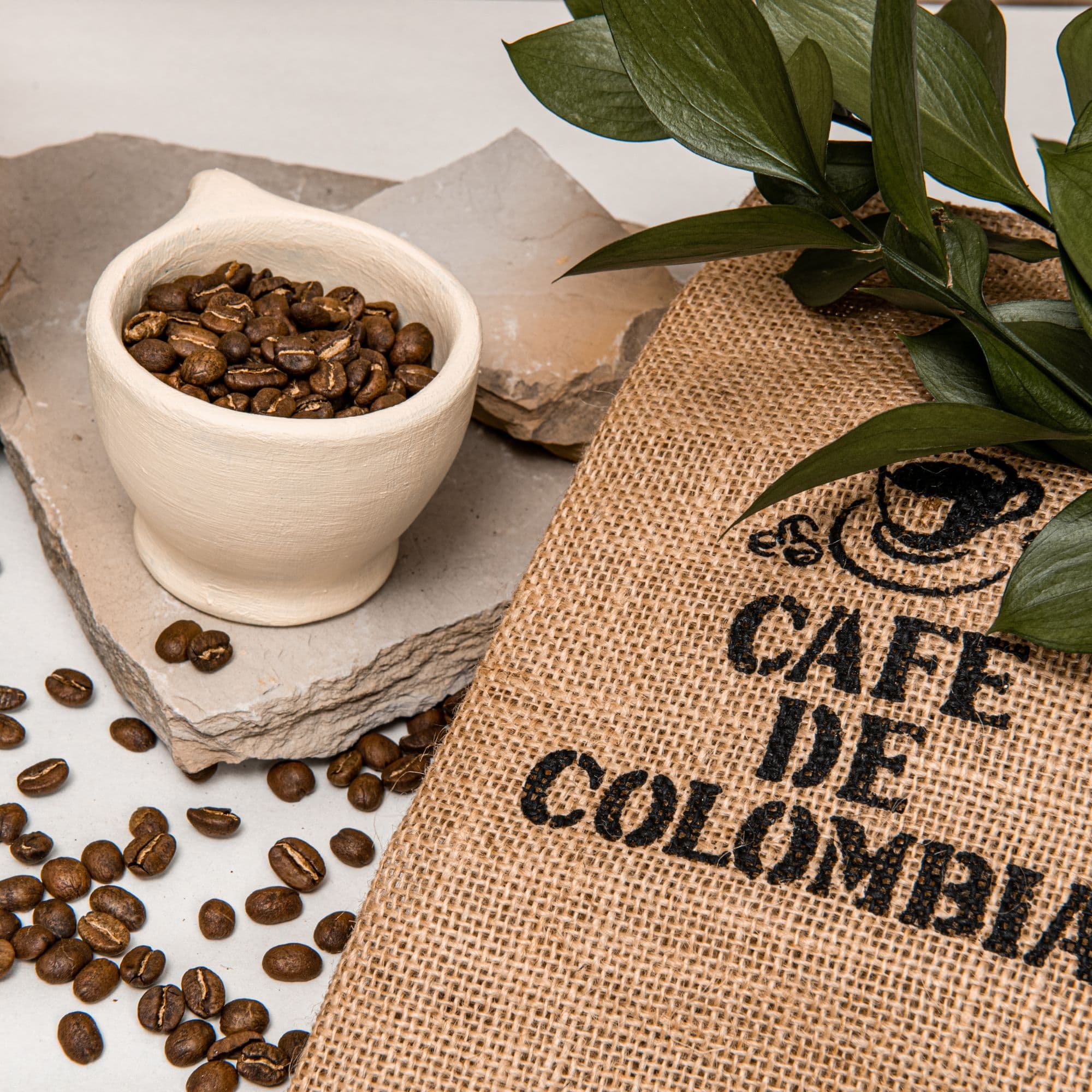
My professional relationship with Colombian coffee began through quality calibration projects in Huila and Antioquia, where I witnessed firsthand how Colombia has built one of the world’s most reliable single origin systems without sacrificing regional character. Colombia’s reputation for consistency is not accidental; it is the outcome of decades of institutional investment, farmer education, and infrastructure.
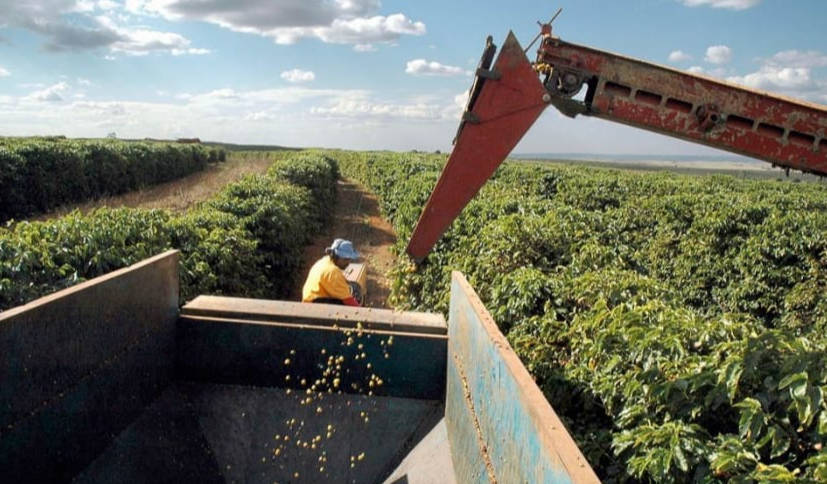
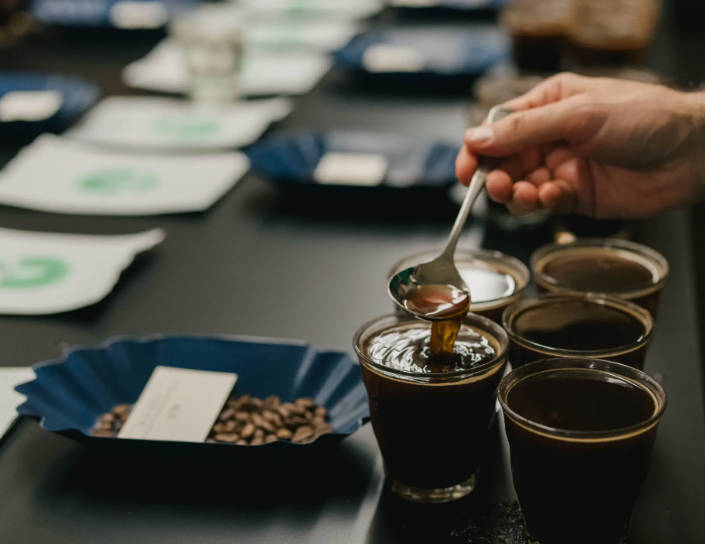
Unlike countries dominated by a single harvest cycle, Colombia benefits from multiple flowering periods due to its equatorial location and mountainous terrain. This allows for fresh coffees to enter the market year-round but also requires rigorous quality control to maintain standards. Through cupping labs supported by the Federación Nacional de Cafeteros, producers receive feedback that directly informs farm-level decisions.
What truly distinguishes Colombian single origin coffee today is the rise of regional and micro-lot differentiation. Huila coffees often show vibrant stone fruit acidity and caramel sweetness, while Nariño coffees—grown at extreme altitudes—exhibit crisp acidity and refined structure. These profiles are shaped by volcanic soils, steep slopes, and cool temperatures that slow cherry development.
Innovation in processing has further expanded Colombia’s flavor potential. Controlled fermentations, honey processes, and extended anaerobic methods are now widely experimented with by technically skilled producers. During producer workshops I attended, data-driven fermentation tracking replaced guesswork, allowing farmers to replicate successful lots with precision.
However, innovation introduces risk. Over-processing can mask terroir or introduce instability. Experienced buyers must therefore distinguish between purposeful experimentation and novelty-driven excess. The most compelling Colombian single origin coffees balance innovation with clarity, enhancing—not obscuring—their origin.
From a trust standpoint, Colombia remains one of the most transparent origins. Export documentation, traceability systems, and cooperative structures provide buyers with verifiable data. This transparency builds confidence and reduces speculative risk.
In summary, Colombian single origin coffee demonstrates that scale and quality are not mutually exclusive. Through disciplined systems, regional pride, and controlled innovation, Colombia offers a model for sustainable excellence that other origins increasingly seek to emulate.

Emma Johnson
Emma Johnson is a coffee expert with years of experience in brewing techniques, coffee culture, and the global coffee industry. She has extensive knowledge of coffee origins, roasting methods, equipment, and preparation practices, and regularly shares insights, guides, and tips to help enthusiasts and beginners enhance their coffee experience.
You Might Also Like
Comments
-
 Reply
ReplyEmma Johnson
Jun 23, 2025, 11:45 am
I’ve been experimenting with different brewing methods for a few months, and this guide really helped me understand the nuances between pour-over and French press. The tips on water temperature and grind size were especially useful. Thanks for sharing such a detailed article!
-
 Reply
ReplyRonda Otoole
Jun 23, 2025, 11:45 am
As a beginner, I often struggle with choosing the right coffee beans. This post broke down the flavor profiles clearly and gave practical advice on selecting beans based on taste preferences. I feel much more confident in my next purchase now.
 Reply
ReplyJames Whitley
Jun 23, 2025, 11:45 am
Loved the section about sustainable coffee practices! It’s great to see articles that not only focus on brewing but also educate readers on ethical sourcing and environmental impact. Definitely inspired me to try beans from local fair-trade roasters.
-
 Reply
ReplyKimberly Chretien
Jun 23, 2025, 11:45 am
I tried some of the latte art tips from this blog, and even though I’m still a beginner, my coffee looks way better now. The step-by-step instructions and real-world examples made it really easy to follow. Can’t wait to try more techniques!
-
 Reply
ReplyEmma Johnson
Jun 23, 2025, 11:45 am
I really appreciate how this post explains coffee concepts in a simple, approachable way. The breakdown of aroma, acidity, and body helped me understand why different coffees taste the way they do. It’s the kind of article I’ll come back to whenever I try a new bean.