

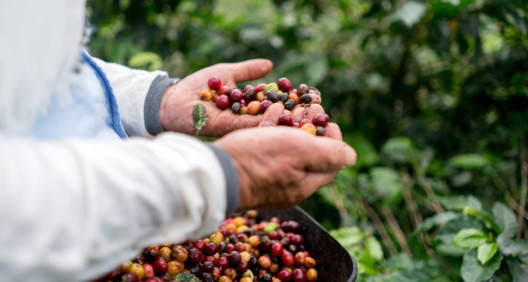
Consistency is simultaneously one of the most important and most misunderstood concepts in single origin coffee. Having managed quality control programs for specialty roasters and advised producers on quality standardization, I have developed a nuanced perspective on what consistency actually means in agricultural contexts, how it differs from industrial consistency, and why unrealistic expectations around consistency may harm rather than help the single origin category.
The industrial model of consistency—identical products emerging reliably from standardized processes—is fundamentally incompatible with coffee agriculture. Coffee is produced by living plants in variable environments: rainfall fluctuates, temperatures vary, soils change, pests emerge, processing conditions shift. The expectation that coffee from a specific farm will taste identical year after year reflects a misunderstanding of what agricultural production can achieve.
Yet consumers and commercial buyers legitimately want some form of reliability. Purchasing a specific single origin should provide a reasonable expectation of what you will receive. Without any consistency, the single origin designation becomes meaningless—a label that tells you where coffee came from without providing useful information about what it will taste like.
The resolution to this apparent contradiction lies in redefining consistency for agricultural contexts. Rather than expecting identical sensory profiles, we should aim for consistency of structural characteristics within an expected range. This means coffees from a specific origin or producer will reliably fall within defined parameters for acidity, body, and sweetness, while specific flavor notes may vary around these structural constants.
I have calibrated quality control teams to evaluate consistency using exactly this framework. Instead of asking whether a coffee tastes identical to the previous lot, we ask whether it falls within the established range for key structural parameters. A coffee from a particular Guatemalan cooperative should reliably present medium-high acidity, medium body, and clean sweetness—but whether the specific flavor expression tends more toward citrus or stone fruit in a given year reflects agricultural variation we should expect rather than resist.
This structural consistency approach requires several enabling conditions. First, supply chain transparency allows buyers to understand when variation should be expected. Harvest timing, weather events, processing changes, and other variables are predictable causes of variation. When buyers know that the current harvest follows an unusually dry growing season, they can anticipate how this might affect the coffee and adjust expectations accordingly.
Second, regular green coffee analysis enables objective assessment of consistency over time. Density, moisture content, screen size, and defect counts provide quantifiable metrics that complement sensory evaluation. Tracking these parameters across multiple lots creates reference points for assessing whether variation falls within normal ranges or indicates quality control problems.
Third, roasting adaptability compensates for green coffee variation. When roasters understand how seasonal and lot-to-lot variation affects green coffee characteristics, they can adjust roast profiles to maintain final cup consistency even when the raw material varies. This requires both technical skill and communication with suppliers who can provide information about lot-specific characteristics.
Fourth, consumer expectation management reduces disappointment from natural variation. Educating customers that single origin coffees will express a range of characteristics rather than identical profiles prepares them for the reality of agricultural products. Some roasters have developed communication strategies that explicitly position variation as a feature—an opportunity to experience how the same origin expresses differently across seasons—rather than a defect.
From a commercial perspective, managing consistency expectations affects pricing, positioning, and customer relationships. Coffees positioned as premium single origins carrying narrative weight around specific farms or producers face higher consistency expectations than coffees positioned as regional offerings with less specific provenance. The trade-off is real: more specific provenance typically enables higher prices but also creates greater vulnerability to quality variation that affects customer satisfaction.
Some commercial operators have developed creative approaches to managing this trade-off. One roaster I worked with maintains what they call 'profile-matched sourcing'—identifying multiple producers across different origins whose coffees fall within similar structural parameters. When one producer's quality drops below acceptable range, they can substitute from another producer without dramatically changing the customer experience. This approach sacrifices some origin specificity for improved reliability.
Others lean into variation deliberately, positioning their single origin offerings as seasonal products analogous to fresh produce. Just as consumers expect that strawberries in June will differ from strawberries in December, these roasters educate customers to expect that a Kenyan coffee in October will differ from the same producer's coffee in March. This approach requires more customer education but can create engagement through anticipated variation.
The producer perspective on consistency deserves attention. Farmers face pressure from specialty buyers for consistent quality while contending with agricultural variables largely beyond their control. Climate change is making this challenge more acute—increasing weather volatility produces greater harvest-to-harvest variation regardless of farmer skill or effort.
I have seen producers invest significantly in consistency-enabling infrastructure—covered drying facilities, temperature-controlled fermentation, precise moisture monitoring—only to face quality variation from factors they cannot control. When specialty buyers respond to variation by abandoning relationships rather than adapting expectations, the system punishes farmers for circumstances beyond their control while rewarding those lucky enough to experience favorable conditions.
A more sustainable approach involves shared risk between buyers and producers. Long-term relationships with pricing commitments that account for normal variation, rather than spot-market purchasing that abandons producers when quality fluctuates, create conditions where producers can invest in quality improvements without facing catastrophic consequences when agricultural variation inevitably occurs.
My conclusion after managing consistency across multiple supply chains is that single origin coffee can be consistent—but only when we define consistency appropriately. Expecting agricultural products to achieve industrial uniformity is unrealistic and ultimately harmful, creating expectations that farmers cannot meet and that disappoint consumers when unmet.
Consistency in single origin coffee means reliability within a defined range: coffees that express structural characteristics associated with their origin while allowing for the natural variation inherent in agricultural production. Achieving this form of consistency requires supply chain transparency, analytical monitoring, adaptive roasting, and expectation management. When these elements align, single origin coffee can deliver the reliability that commercial sustainability requires without demanding the uniformity that agriculture cannot provide.
The specialty coffee industry would benefit from more honest conversation about what consistency means and what it can reasonably achieve. Pretending that single origin coffees do not vary sets unrealistic expectations. Acknowledging variation while committing to consistency within defined parameters builds trust through honest communication rather than marketing fiction.

Daniel Carter
Emma Johnson is a coffee expert with years of experience in brewing techniques, coffee culture, and the global coffee industry. She has extensive knowledge of coffee origins, roasting methods, equipment, and preparation practices, and regularly shares insights, guides, and tips to help enthusiasts and beginners enhance their coffee experience.
You Might Also Like
Comments
-
 Reply
ReplyDaniel Carter
Jun 23, 2025, 11:45 am
I’ve been experimenting with different brewing methods for a few months, and this guide really helped me understand the nuances between pour-over and French press. The tips on water temperature and grind size were especially useful. Thanks for sharing such a detailed article!
-
 Reply
ReplyRonda Otoole
Jun 23, 2025, 11:45 am
As a beginner, I often struggle with choosing the right coffee beans. This post broke down the flavor profiles clearly and gave practical advice on selecting beans based on taste preferences. I feel much more confident in my next purchase now.
 Reply
ReplyJames Whitley
Jun 23, 2025, 11:45 am
Loved the section about sustainable coffee practices! It’s great to see articles that not only focus on brewing but also educate readers on ethical sourcing and environmental impact. Definitely inspired me to try beans from local fair-trade roasters.
-
 Reply
ReplyKimberly Chretien
Jun 23, 2025, 11:45 am
I tried some of the latte art tips from this blog, and even though I’m still a beginner, my coffee looks way better now. The step-by-step instructions and real-world examples made it really easy to follow. Can’t wait to try more techniques!
-
 Reply
ReplyDaniel Carter
Jun 23, 2025, 11:45 am
I really appreciate how this post explains coffee concepts in a simple, approachable way. The breakdown of aroma, acidity, and body helped me understand why different coffees taste the way they do. It’s the kind of article I’ll come back to whenever I try a new bean.