
The specialty coffee industry's relationship-focused sourcing rhetoric has become nearly universal. Every roaster emphasizes their producer partnerships, direct relationships, and commitment to farmer welfare. Yet having built and maintained sourcing relationships across multiple origins over fifteen years, I know that the reality of producer relationships is far more complex than marketing language suggests. Genuine trust with producers develops slowly, requires sustained investment, and produces benefits that extend far beyond the transactional. Understanding what trust-based sourcing actually involves—versus what it is often represented to be—matters for industry professionals and consumers who want their coffee purchases to create genuine benefit at origin.
Trust begins with presence. Producers have experienced decades of buyers who visited once, made promises, and disappeared. The coffee industry's history includes innumerable examples of relationship rhetoric that evaporated when market conditions shifted or when newer origins became fashionable. Producers are rightfully skeptical of buyers who claim partnership intentions without demonstrating sustained commitment. Building trust requires showing up repeatedly, over years, through market fluctuations and quality variations.
My most valued producer relationships have survived challenges that would have ended purely transactional arrangements. A cooperative whose quality dropped significantly one season due to processing equipment failures could have been abandoned for newer sources; instead, we worked together to diagnose problems, funded equipment repairs, and maintained purchasing through the difficult period. The trust that emerged from weathering adversity together produced a relationship deeper than good years could have created.
Pricing transparency builds trust more effectively than premium prices alone. Producers appreciate knowing how their coffee is positioned in the market, what retail prices their coffee commands, and how value distributes across the supply chain. I share pricing information that many buyers consider proprietary—what I pay, what I sell for, what margins look like—because this transparency demonstrates respect and enables informed negotiation. Producers who understand the full picture can advocate effectively for their interests.
The pricing discussions I find most productive focus on long-term sustainability rather than maximum extraction from either side. A price that squeezes the buyer's margins to unsustainability will end the relationship; a price that leaves the producer unable to invest in quality improvement or farm maintenance will degrade quality over time. Finding pricing that works for both parties across multiple seasons requires honest conversation about constraints and needs that purely adversarial negotiation cannot achieve.
Quality communication represents another trust-building dimension. Producers benefit from detailed feedback on their coffee's performance—not just cupping scores but specific observations about what works well and what could improve. I have seen producers make meaningful quality improvements based on specific feedback that identified actionable issues. Generic praise or silence provides no development value; detailed engagement demonstrates investment in the producer's success rather than mere extraction of their current production.
The feedback relationship should flow both ways. Producers possess knowledge about their coffee, their conditions, and their capabilities that buyers cannot access independently. Trusting producers' expertise and incorporating their input into purchasing and marketing decisions respects their professional status. Relationships where buyers dictate and producers comply miss the collaborative potential that genuine trust enables.
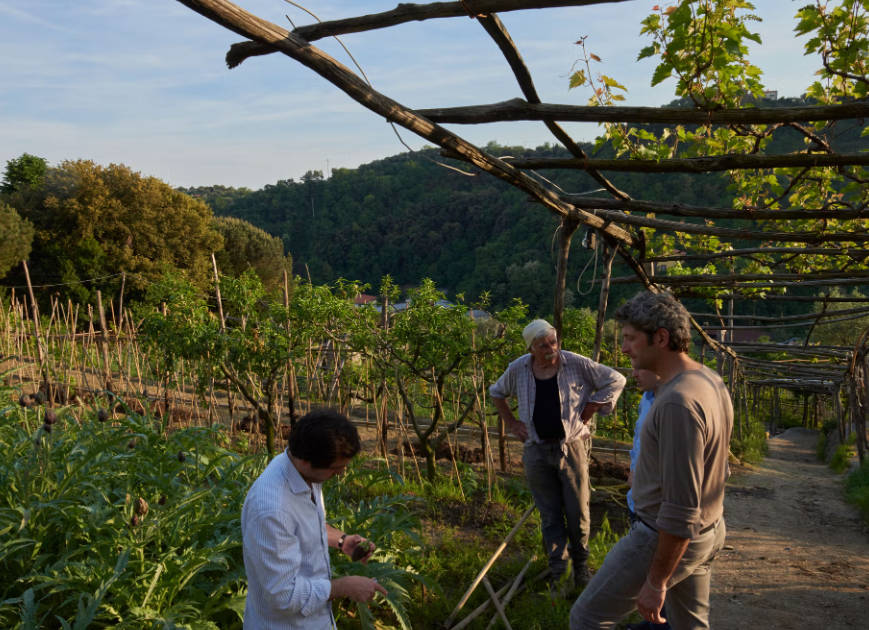
Farm visits matter but require appropriate framing. The origin trip has become a standard element of specialty coffee marketing, with photos of roasters picking cherries or cupping with farmers lending authenticity to relationship claims. Genuine farm visits build understanding and relationship; performative visits that prioritize photo opportunities over learning may actually undermine trust by signaling that the buyer values marketing content over substance.
My most valuable farm visits have involved extended stays, multiple facilities, honest conversations about challenges, and follow-up that demonstrated I was listening. The visits that built trust were those where I learned things that changed my understanding and adjusted my behavior accordingly. Producers notice whether visitors are genuinely curious or merely collecting content.
Long-term commitment manifests through behavior during difficult periods. When market prices spike and the coffee I have contracted becomes available elsewhere at lower prices, honoring my commitments demonstrates reliability that spot-market purchasing cannot. When quality falls short of expectations, addressing the issue collaboratively rather than rejecting the relationship shows investment in the producer's success. These moments reveal whether relationship rhetoric reflects genuine orientation or merely convenient positioning.
I have ended relationships that proved incompatible with my values—situations where producers made commitments they did not keep, where quality claims proved unfounded, or where ethical concerns emerged. Trust is not unconditional loyalty; it is mutual accountability within a framework of shared expectations. Healthy relationships include mechanisms for addressing problems and, when necessary, concluding partnerships that no longer serve both parties.
The commercial benefits of trust-based sourcing are real but often take years to manifest. Producers who trust buyers share information about their best lots before they become widely available; they hold quality when demand exceeds supply; they collaborate on experiments and improvements they would not risk with unreliable partners. These benefits cannot be purchased through price premiums alone—they emerge from demonstrated commitment over time.
For roasters and traders seeking to build producer trust, my counsel is to adopt long-term orientation from the beginning. Communicate realistic expectations rather than aspirational promises. Follow through on commitments even when circumstances change. Provide detailed feedback that helps producers improve. Engage with producers as professional peers whose expertise deserves respect. Accept that trust takes years to establish and can be lost quickly through thoughtless behavior.
My conclusion after years of relationship-based sourcing is that genuine trust transforms what single origin coffee can achieve. The coffees I source through trusted relationships are better than what transactional purchasing could access—not because I pay more, but because trust enables collaboration that pure market transactions cannot. Building and maintaining these relationships requires investment that exceeds what many buyers are willing to make, which is why genuine relationship-based sourcing remains rarer than marketing language suggests.
For consumers, I suggest looking beyond relationship claims to evidence of sustained engagement. How long has the roaster purchased from this producer? Do they return to the same sources across years? Can they speak specifically about the producers behind their coffees? These indicators distinguish genuine relationships from marketing positioning and help identify purchases that may actually support the producer relationships the industry claims to value.

Daniel Carter
Emma Johnson is a coffee expert with years of experience in brewing techniques, coffee culture, and the global coffee industry. She has extensive knowledge of coffee origins, roasting methods, equipment, and preparation practices, and regularly shares insights, guides, and tips to help enthusiasts and beginners enhance their coffee experience.
You Might Also Like
Comments
-
 Reply
ReplyDaniel Carter
Jun 23, 2025, 11:45 am
I’ve been experimenting with different brewing methods for a few months, and this guide really helped me understand the nuances between pour-over and French press. The tips on water temperature and grind size were especially useful. Thanks for sharing such a detailed article!
-
 Reply
ReplyRonda Otoole
Jun 23, 2025, 11:45 am
As a beginner, I often struggle with choosing the right coffee beans. This post broke down the flavor profiles clearly and gave practical advice on selecting beans based on taste preferences. I feel much more confident in my next purchase now.
 Reply
ReplyJames Whitley
Jun 23, 2025, 11:45 am
Loved the section about sustainable coffee practices! It’s great to see articles that not only focus on brewing but also educate readers on ethical sourcing and environmental impact. Definitely inspired me to try beans from local fair-trade roasters.
-
 Reply
ReplyKimberly Chretien
Jun 23, 2025, 11:45 am
I tried some of the latte art tips from this blog, and even though I’m still a beginner, my coffee looks way better now. The step-by-step instructions and real-world examples made it really easy to follow. Can’t wait to try more techniques!
-
 Reply
ReplyDaniel Carter
Jun 23, 2025, 11:45 am
I really appreciate how this post explains coffee concepts in a simple, approachable way. The breakdown of aroma, acidity, and body helped me understand why different coffees taste the way they do. It’s the kind of article I’ll come back to whenever I try a new bean.