

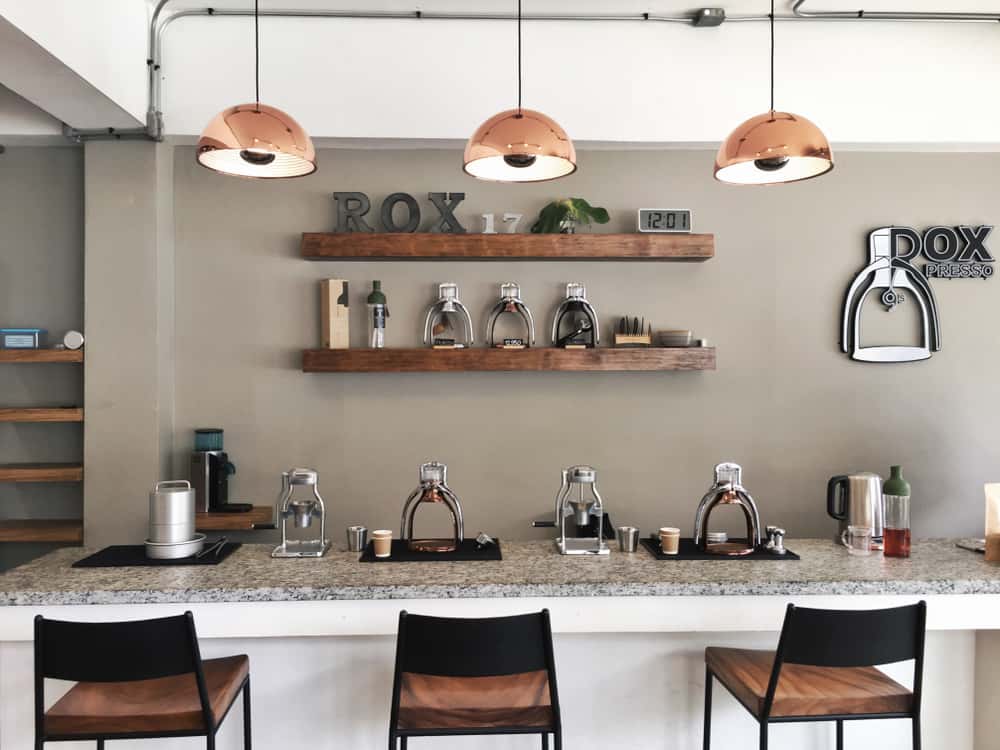
The home coffee revolution, accelerated by pandemic-era café closures, has demonstrated that exceptional coffee is achievable outside professional settings. Having helped hundreds of people develop home brewing setups over the years, I want to share guidance that transcends simple equipment recommendations to address the principles underlying great home coffee. The goal is not to replicate café experiences—professional equipment and training provide advantages difficult to match—but to create home coffee that brings genuine pleasure and continually improves through deliberate practice.
The most important home coffee investment is fresh, quality beans—dramatically more important than equipment differences. A modest grinder with exceptional beans will produce better coffee than a premium grinder with stale commodity coffee. This observation should guide budget allocation: prioritize ongoing coffee purchases over equipment upgrades until your beans consistently meet specialty standards.
Freshness matters more than most home brewers realize. Coffee is a fresh product that degrades meaningfully within weeks of roasting. Purchasing from local roasters with roast dates printed on bags, buying quantities you will consume within 2-3 weeks, and storing properly (airtight, cool, dark) provides more quality improvement than most equipment upgrades.
Grinding immediately before brewing represents the single most impactful equipment-based improvement for most home setups. Pre-ground coffee loses aromatics rapidly—within minutes of grinding, significant volatile compounds have dissipated. A basic hand grinder producing reasonably consistent particles will transform results for anyone currently using pre-ground coffee.
Grinder quality above the basic threshold provides diminishing returns for most brewing methods. The difference between a $50 hand grinder and a $150 hand grinder is meaningful but smaller than the difference between pre-ground and any freshly ground coffee. The difference between a $200 electric grinder and a $500 one matters primarily for espresso, where particle size distribution affects extraction more dramatically than in pour-over or immersion methods.
Brewing equipment itself comes second to beans and grinding. The quality differences between a $20 plastic pour-over and a $50 ceramic one are subtle; both can produce excellent coffee with proper technique. Expensive equipment often provides convenience, durability, and aesthetic satisfaction rather than dramatic quality improvements.
Water quality affects extraction more than many realize. If your tap water tastes good, it probably works adequately for coffee. If you notice chlorine, mineral, or other off-flavors, filtered water provides meaningful improvement. For enthusiasts seeking optimization, Third Wave Water or similar mineral formulations enable precise water chemistry control.
Temperature control matters, particularly for pour-over methods. Water just off boil (around 200-205°F / 93-96°C) typically works well for most coffees. Thermometers or temperature-controlled kettles provide precision, but acceptable results are achievable by bringing water to boil and allowing 30-60 seconds of rest before brewing.
Technique development provides the highest-leverage improvement opportunity once basic equipment is in place. For pour-over, this means consistent pouring technique, appropriate bloom time, and total brew time within target ranges. For immersion methods like French press, it involves grind calibration, steep time adjustment, and appropriate filtration. For espresso—by far the most technique-dependent method—it means understanding dose, yield, and time relationships.
Recording and iterating accelerates improvement. Note your parameters and results: coffee used, grind setting, water amount, brew time, and cup assessment. When a cup disappoints, adjust one variable and observe the effect. This systematic approach builds intuition faster than random experimentation.
The beginner setup I recommend includes: a hand grinder with conical burrs ($30-50), a pour-over dripper with appropriate filters ($10-20), a kitchen scale with 0.1g precision ($15-20), and a basic gooseneck kettle or careful pouring from any kettle. Total investment under $100 produces café-quality pour-over with proper technique and quality beans.
The intermediate setup adds: an electric burr grinder for convenience ($100-200), a temperature-controlled kettle ($50-100), and potentially a second brewing method for variety—AeroPress for travel and experimentation, French press for full-bodied cups, or entry-level espresso exploration. Investment in the $200-400 range provides significant capability.
Advanced setups reflect prioritized investment in areas matching specific interests. Espresso enthusiasts face significant investment requirements—quality home espresso typically requires $500+ in equipment and substantial technique development. Filter brewing enthusiasts might invest in high-end grinders, multiple brewing devices, and water chemistry experimentation. The advanced home brewer invests strategically based on personal priorities rather than following universal upgrade paths.
Common mistakes to avoid: buying commodity coffee regardless of equipment quality; grinding too early or inconsistently; using inappropriate water temperature; neglecting cleanliness (oils build up and become rancid); and prioritizing speed over consistency. Each of these errors limits results more than equipment limitations do.
The mindset shift from consumption to practice transforms home coffee. Rather than viewing brewing as a task to complete quickly, treating it as a craft to develop makes the process intrinsically rewarding. The morning brewing ritual becomes meditative; incremental improvements provide satisfaction; and the occasional exceptional cup rewards attention and effort.
My final recommendation for anyone developing home coffee capability is patience with gradual improvement. Café baristas spend months developing technique; home brewers should expect similar learning curves. The destination—consistent excellent coffee produced with personal intention—rewards the journey.

Isabella Romano
Emma Johnson is a coffee expert with years of experience in brewing techniques, coffee culture, and the global coffee industry. She has extensive knowledge of coffee origins, roasting methods, equipment, and preparation practices, and regularly shares insights, guides, and tips to help enthusiasts and beginners enhance their coffee experience.
You Might Also Like
Comments
-
 Reply
ReplyIsabella Romano
Jun 23, 2025, 11:45 am
I’ve been experimenting with different brewing methods for a few months, and this guide really helped me understand the nuances between pour-over and French press. The tips on water temperature and grind size were especially useful. Thanks for sharing such a detailed article!
-
 Reply
ReplyRonda Otoole
Jun 23, 2025, 11:45 am
As a beginner, I often struggle with choosing the right coffee beans. This post broke down the flavor profiles clearly and gave practical advice on selecting beans based on taste preferences. I feel much more confident in my next purchase now.
 Reply
ReplyJames Whitley
Jun 23, 2025, 11:45 am
Loved the section about sustainable coffee practices! It’s great to see articles that not only focus on brewing but also educate readers on ethical sourcing and environmental impact. Definitely inspired me to try beans from local fair-trade roasters.
-
 Reply
ReplyKimberly Chretien
Jun 23, 2025, 11:45 am
I tried some of the latte art tips from this blog, and even though I’m still a beginner, my coffee looks way better now. The step-by-step instructions and real-world examples made it really easy to follow. Can’t wait to try more techniques!
-
 Reply
ReplyIsabella Romano
Jun 23, 2025, 11:45 am
I really appreciate how this post explains coffee concepts in a simple, approachable way. The breakdown of aroma, acidity, and body helped me understand why different coffees taste the way they do. It’s the kind of article I’ll come back to whenever I try a new bean.