

The central tension in signature blend production involves balancing distinctive flavor—the complexity and character that differentiate your blend from competitors—against consistency that enables customers to know what they are getting with every purchase. Resolving this tension requires systematic approaches to component management, formula flexibility, and quality control. Having managed blend programs that achieved both distinction and reliability, I share strategies that enable this balance.
Understanding what consistency actually means in blend context provides essential foundation. Consumers do not expect—and cannot perceive—identical cups from batch to batch. What they expect is character consistency: a blend known for bright acidity should always be bright; one positioned as full-bodied should always deliver body. Within this character range, batch-to-batch variation that reflects natural agricultural products is acceptable and even appropriate. The goal is consistent character, not identical chemistry.
This framing liberates blend management from impossible precision while establishing meaningful targets. The question becomes not 'how do we make every batch identical?' but 'how do we maintain the character our customers expect?' This character-focused approach enables adaptation to component variation while preserving what matters.
Component specification defines the flavor contribution each blend element must provide. Rather than sourcing specific coffees by name, specify what each component needs to deliver: 'Component A provides bright citrus acidity; Component B provides chocolate sweetness and body; Component C provides depth and finish.' These functional specifications enable substitution when specific coffees become unavailable—any coffee meeting Component A's specification can fulfill that role.
I develop component specifications through analysis of what makes the blend work. When initial development identifies optimal components, analyze what those coffees contribute functionally. Document the sensory characteristics that make each component essential. This documentation guides future sourcing when original components are no longer available.
Seasonal adjustment maintains character as components evolve. Green coffee changes across the year—fresh crop differs from aged crop; early season differs from late season. A blend formula that achieved target character in January may drift by June as components age and new crop becomes available. Systematic adjustment compensates for these changes.
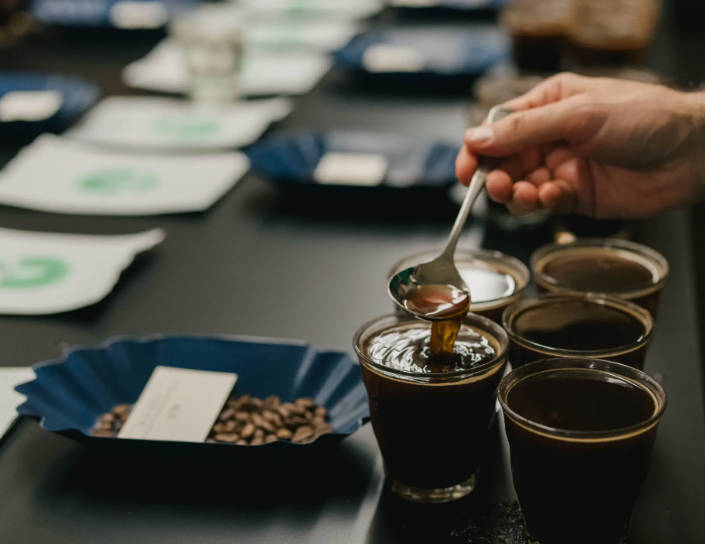
I establish cupping protocols that compare current production against target profile references (ideally frozen samples that preserve original character). When drift occurs, adjustments might include ratio modification, component substitution, or roast profile adjustment. Regular monitoring catches drift before it becomes noticeable to customers.
Component inventory management enables adjustment flexibility. Maintaining multiple component options that meet each specification provides substitution alternatives when problems arise. If primary Component B becomes unavailable mid-season, having qualified alternatives prevents blend disruption. This redundancy requires investment in sample evaluation and inventory, but prevents costly production gaps.
The complexity-consistency relationship deserves explicit consideration. Blends with more components can achieve greater complexity but present more consistency challenges—more components mean more variation sources. Simpler blends are easier to maintain consistently but may lack the complexity that distinguishes them from commodity offerings. The appropriate complexity level depends on market positioning and operational capability.
I generally recommend the minimum component count that achieves the target profile. A three-component blend that hits all targets outperforms a five-component blend with similar character because the simpler blend is easier to maintain and less vulnerable to supply disruption. Add components only when they provide specific value that simpler approaches cannot achieve.
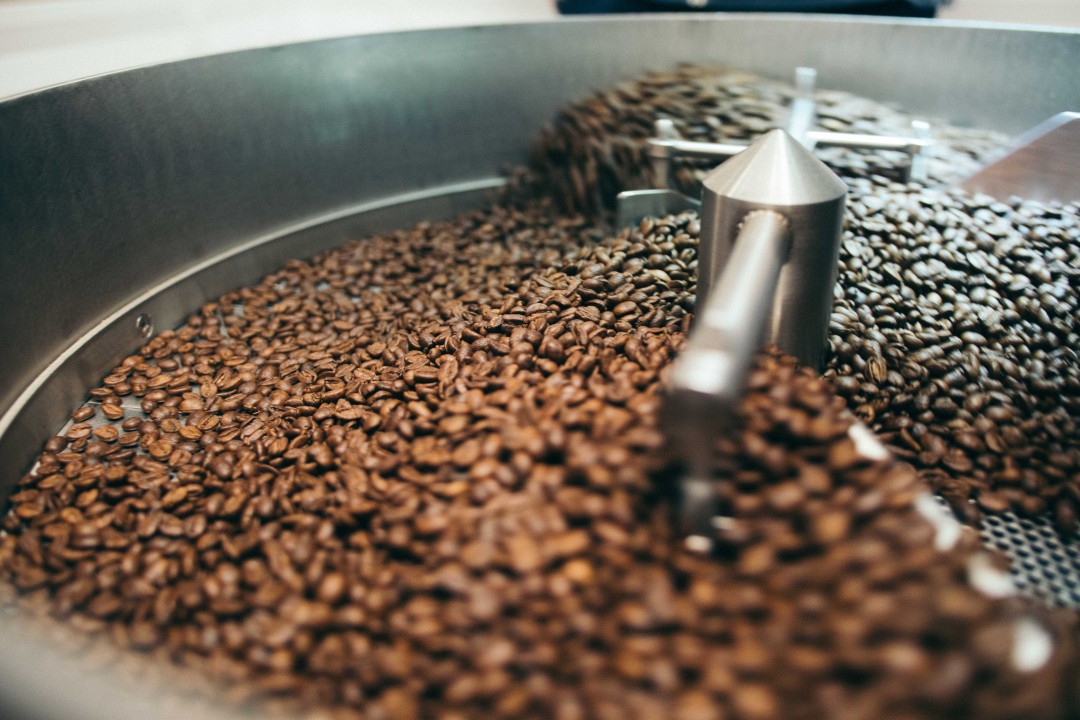
Roast consistency contributes to blend consistency alongside component management. Even with stable components, roast variation affects cup character. Statistical process control approaches—monitoring key roast parameters and responding when they exceed acceptable ranges—enable consistent roasting that preserves component contribution. Production roasting should match the profiles developed during blend creation.
I track drop temperature, development time, and color metrics for every blend batch, comparing against established targets. Deviations trigger investigation and correction before they affect significant production volume. This monitoring catches problems early and enables rapid adjustment.
Quality control cupping must evaluate blend character specifically, not general quality. A blend sample might taste good by absolute standards yet fail if it has drifted from target character. Evaluation should compare current production against character references and assess whether the distinctive elements customers expect are present and properly balanced.
Communication across the organization ensures alignment on what consistency means. Production staff should understand target profile and adjustment parameters; quality control staff should know what specifically to evaluate; customer service should understand what customers can reasonably expect. This shared understanding prevents inconsistency from gaps in organizational alignment.
Formula documentation creates institutional knowledge that survives personnel changes. Complete documentation includes target profile description, component specifications, ratio parameters, roast profiles, quality control criteria, and adjustment protocols. This documentation enables continuity when blend developers leave and provides foundation for continuous improvement.
My conclusion from managing blend consistency challenges is that the balance is achievable but requires systematic approach. The roasters who maintain both distinctive flavor and reliable consistency are those who define character clearly, specify components functionally, monitor production systematically, and adjust proactively as conditions change. This systematic approach enables distinction that purely reactive management cannot sustain. The signature blend worthy of its name delivers recognizable character that customers can depend on—a promise kept through disciplined practice rather than lucky accident.

Sophia Reynolds
Emma Johnson is a coffee expert with years of experience in brewing techniques, coffee culture, and the global coffee industry. She has extensive knowledge of coffee origins, roasting methods, equipment, and preparation practices, and regularly shares insights, guides, and tips to help enthusiasts and beginners enhance their coffee experience.
You Might Also Like
Comments
-
 Reply
ReplySophia Reynolds
Jun 23, 2025, 11:45 am
I’ve been experimenting with different brewing methods for a few months, and this guide really helped me understand the nuances between pour-over and French press. The tips on water temperature and grind size were especially useful. Thanks for sharing such a detailed article!
-
 Reply
ReplyRonda Otoole
Jun 23, 2025, 11:45 am
As a beginner, I often struggle with choosing the right coffee beans. This post broke down the flavor profiles clearly and gave practical advice on selecting beans based on taste preferences. I feel much more confident in my next purchase now.
 Reply
ReplyJames Whitley
Jun 23, 2025, 11:45 am
Loved the section about sustainable coffee practices! It’s great to see articles that not only focus on brewing but also educate readers on ethical sourcing and environmental impact. Definitely inspired me to try beans from local fair-trade roasters.
-
 Reply
ReplyKimberly Chretien
Jun 23, 2025, 11:45 am
I tried some of the latte art tips from this blog, and even though I’m still a beginner, my coffee looks way better now. The step-by-step instructions and real-world examples made it really easy to follow. Can’t wait to try more techniques!
-
 Reply
ReplySophia Reynolds
Jun 23, 2025, 11:45 am
I really appreciate how this post explains coffee concepts in a simple, approachable way. The breakdown of aroma, acidity, and body helped me understand why different coffees taste the way they do. It’s the kind of article I’ll come back to whenever I try a new bean.