

Body and acidity represent the primary structural elements of coffee flavor—the architecture within which other characteristics express. Achieving appropriate balance between these elements determines whether a blend feels harmonious and satisfying or disjointed and incomplete. Having calibrated body-acidity balance across numerous blend programs, I examine the considerations and techniques that enable this fundamental harmony.
The body-acidity relationship operates as counterbalance in perception. Acidity creates brightness, lift, and perceived energy; body creates weight, depth, and perceived substance. Excessive acidity without supporting body produces thin, aggressive character; excessive body without balancing acidity produces heavy, flat character. The goal is relationship where each element supports the other.
I conceptualize body-acidity balance not as specific intensity targets but as appropriate relationship. A blend can succeed with high acidity and high body, low acidity and low body, or any other combination where the elements relate appropriately. The question is not whether each element is high or low but whether they work together.
Component selection determines the raw materials available for body-acidity balance. Different origins, varietals, and processing methods produce different body and acidity characteristics. Understanding what each potential component contributes enables blend architecture that achieves intended balance through component combination.
I evaluate potential components specifically for body and acidity characteristics, noting not just intensity but character. Acidity can be bright or sharp, citric or malic, clean or complex; body can be silky or rustic, light or full, clean or textured. These character distinctions affect how components combine, not just what intensity levels they contribute.
Ratio determination translates component characteristics into blend outcomes. A component contributing high acidity at 50% of the blend produces different perceived acidity than the same component at 25%. Understanding how ratios affect perceived intensity enables calibration toward intended balance targets.
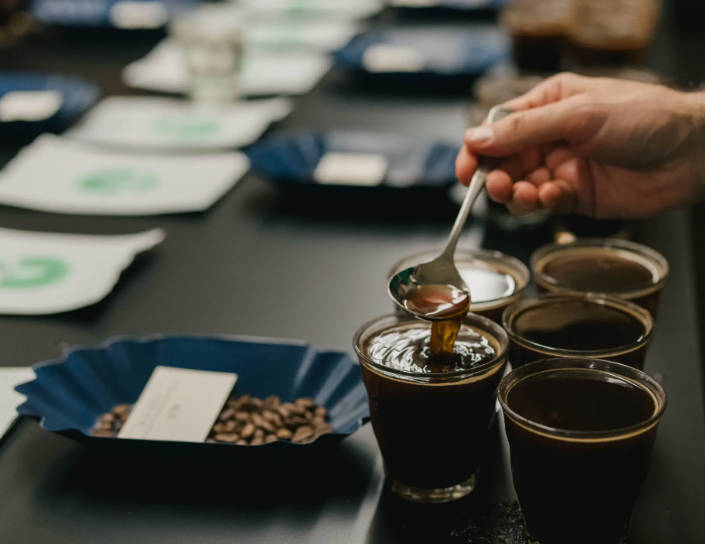
I develop ratio recommendations through systematic testing, creating multiple blend variations with different proportions of high-acidity versus high-body components. Cupping these variations reveals how ratio changes affect perceived balance, identifying the combination that achieves target harmony. This systematic approach produces more reliable results than intuitive formulation.
Roast profile effects on body and acidity create additional calibration opportunities beyond component selection and ratio. Lighter roasts preserve acidity while limiting body development; darker roasts develop body while reducing perceived acidity. Profile adjustment can fine-tune balance when component ratios alone do not achieve intended relationship.
I use roast profile as balance fine-tuning tool after component and ratio decisions establish baseline character. If a blend needs slightly more body, development extension can provide it; if it needs brighter acidity, lighter roasting can preserve it. This profile flexibility enables precise balance achievement within component constraints.
Acidity quality matters alongside acidity intensity for balance perception. Harsh, sharp acidity feels unbalanced even at moderate intensity; bright, clean acidity remains balanced at higher intensity. Component selection should prioritize acidity quality alongside intensity, choosing components that contribute pleasant rather than aggressive brightness.
I reject components with harsh acidity character regardless of their other qualities, recognizing that acidity character affects perceived balance more than acidity intensity. A blend with moderate but pleasant acidity feels more balanced than one with lower but unpleasant acidity. Quality orientation in acidity selection improves balance outcomes.
Body quality similarly affects balance perception beyond body intensity. Smooth, silky body supports acidity harmoniously; rough, rustic body competes with acidity for attention. Component selection should consider body quality as balance-relevant characteristic, not just body intensity.
I evaluate body quality through textural assessment during cupping, noting how body feels against the palate rather than just how heavy it registers. Components with smooth body quality enable better balance integration than those with textural roughness. This quality orientation guides selection toward balance-supportive components.
Temporal dynamics affect how body and acidity balance expresses across the tasting experience. If acidity dominates initially but body emerges later, the overall experience may feel balanced despite temporal imbalance. If acidity persists without body support through finish, imbalance may feel more pronounced. Understanding temporal dynamics enables balance optimization across the entire tasting arc.
I evaluate balance not just at initial taste but through the full experience—attack, mid-palate, finish, and aftertaste. A blend might achieve balance at one point while losing it at others. Complete balance requires appropriate body-acidity relationship across all temporal phases, not just at initial impression.
Brewing variable effects on body-acidity expression mean that blend balance can shift across different preparation methods. A blend balanced for filter brewing might feel too acidic as espresso; one balanced for espresso might feel too heavy as pourover. Understanding these brewing effects enables balance calibration for intended applications.
I test blend balance across intended brewing applications, verifying that balance survives preparation variation. For blends serving multiple applications, I seek balance that remains acceptable across methods rather than optimizing for single application. This robustness ensures that balance reaches consumers regardless of their preparation choices.
Seasonal consistency challenges affect body-acidity balance maintenance. Component characteristics shift with harvest years; a blend achieving specific balance with current lots may not maintain that balance with future lots. Ongoing monitoring and adjustment maintains intended balance through component evolution.
I schedule regular balance assessment through the production year, comparing current production against reference standards specifically for body-acidity relationship. When balance drifts, I investigate whether component characteristics have shifted and what adjustments might restore intended harmony. This ongoing attention maintains balance consistency that one-time formulation cannot guarantee.
My conclusion from calibrating body-acidity balance across many blend programs is that this structural relationship deserves primary attention in blend development. Other flavor characteristics express within the body-acidity framework; getting this foundation right enables other elements to succeed, while getting it wrong undermines everything else. The techniques that achieve balance—component selection for appropriate characteristics, systematic ratio determination, profile fine-tuning, quality orientation, temporal consideration, application testing, and seasonal maintenance—require investment but produce blends that satisfy fundamentally rather than superficially.

Daniel Carter
Emma Johnson is a coffee expert with years of experience in brewing techniques, coffee culture, and the global coffee industry. She has extensive knowledge of coffee origins, roasting methods, equipment, and preparation practices, and regularly shares insights, guides, and tips to help enthusiasts and beginners enhance their coffee experience.
You Might Also Like
Comments
-
 Reply
ReplyDaniel Carter
Jun 23, 2025, 11:45 am
I’ve been experimenting with different brewing methods for a few months, and this guide really helped me understand the nuances between pour-over and French press. The tips on water temperature and grind size were especially useful. Thanks for sharing such a detailed article!
-
 Reply
ReplyRonda Otoole
Jun 23, 2025, 11:45 am
As a beginner, I often struggle with choosing the right coffee beans. This post broke down the flavor profiles clearly and gave practical advice on selecting beans based on taste preferences. I feel much more confident in my next purchase now.
 Reply
ReplyJames Whitley
Jun 23, 2025, 11:45 am
Loved the section about sustainable coffee practices! It’s great to see articles that not only focus on brewing but also educate readers on ethical sourcing and environmental impact. Definitely inspired me to try beans from local fair-trade roasters.
-
 Reply
ReplyKimberly Chretien
Jun 23, 2025, 11:45 am
I tried some of the latte art tips from this blog, and even though I’m still a beginner, my coffee looks way better now. The step-by-step instructions and real-world examples made it really easy to follow. Can’t wait to try more techniques!
-
 Reply
ReplyDaniel Carter
Jun 23, 2025, 11:45 am
I really appreciate how this post explains coffee concepts in a simple, approachable way. The breakdown of aroma, acidity, and body helped me understand why different coffees taste the way they do. It’s the kind of article I’ll come back to whenever I try a new bean.