

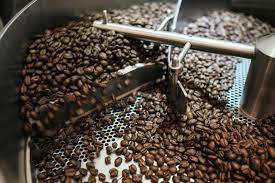
The annual cycle of coffee harvests brings fresh opportunities to discover exceptional single origin coffees—new crop arrivals from familiar producers, breakthrough lots from emerging origins, and innovations in processing that create flavor possibilities unavailable in previous years. Having cupped extensively throughout the year, visiting origins, evaluating samples, and tracking how coffees perform across seasons, I present this annual review highlighting the most exceptional single origin coffees I encountered and the patterns they reveal about quality and innovation in the specialty segment.
My evaluation framework integrates multiple dimensions beyond cup score alone. Sensory excellence provides the foundation—coffees must first taste exceptional to merit attention. But I also evaluate sourcing ethics, production sustainability, consistency across samples, and innovation contribution. A coffee that achieves exceptional cup quality through exploitation or environmental destruction does not merit celebration; one that demonstrates how quality and responsibility can align deserves recognition beyond its sensory merit.
The Ethiopian coffees that stood out this year shared characteristics reflecting favorable harvest conditions and processing refinement. Multiple Yirgacheffe and Sidama lots achieved the bright, floral, fruit-forward profiles the origins are known for with unusual clarity and complexity. Several natural-processed lots demonstrated that the fermentation risks often associated with naturals can be controlled to produce clean fruit intensity without accompanying defects.
One Ethiopian lot particularly impressed: a natural-processed Guji from a small producer cooperative that had invested in raised drying beds and careful turning protocols. The resulting coffee displayed intense blueberry and tropical fruit character with a honey-like sweetness and clean finish that natural-processed coffees often lack. The cooperative had documented their process improvements and could demonstrate the specific interventions that produced these results—exactly the kind of transparent innovation that advances the segment.
Kenyan coffees performed exceptionally this year, with several lots achieving the distinctive bright, complex acidity that defines the origin's best examples. The AA lots from Nyeri and Kirinyaga displayed the tomato-like, savory-fruit character that makes Kenyan coffee unique, supported by excellent body and lingering finish. One SL28 varietal lot from a small estate achieved balance between acidity intensity and sweetness that made it immediately appealing despite its complex character.
The Latin American coffees that impressed me most demonstrated how processing innovation can enhance rather than obscure origin character. A Colombian lot processed with extended fermentation under controlled temperature achieved stone fruit complexity that complemented rather than dominated the origin's characteristic balanced sweetness. The producer had developed their protocol through systematic experimentation, documenting fermentation temperature, duration, and resulting cup profiles to identify optimal parameters.
Guatemalan coffees from Huehuetenango continued their track record of excellence, with several lots displaying the apple-like acidity and chocolate undertones the region is known for. One lot from a multi-generational family farm particularly impressed—the producers had maintained traditional shade-grown cultivation while implementing precise fermentation monitoring that produced remarkably clean results.
The most surprising coffees came from origins not traditionally associated with exceptional quality. A Peruvian lot from a young specialty program achieved complexity and balance that challenged assumptions about the origin's ceiling. An Indonesian lot processed with attention to fermentation control produced clean, sweet results that defied expectations formed by more rustic Indonesian processing. These coffees suggest that origin reputation reflects historical practice more than inherent potential—with appropriate investment, unexpected origins can produce exceptional results.
Processing innovation continues reshaping what single origin coffee can taste like. The experimental fermentation techniques that emerged in recent years are maturing into more consistent production. Several anaerobic-processed lots I evaluated achieved the enhanced fruit complexity the technique can produce without the off-flavors that characterized earlier experiments. The producers behind these lots had developed deeper understanding of fermentation variables and implemented controls that produce reliable results.
However, processing innovation also produced coffees that sacrificed balance for novelty. Some experimental lots displayed intense, unusual flavors that impressed briefly but fatigued quickly—interesting as single cups but unsuitable for regular consumption. The best processing innovation enhances rather than overwhelms; this year's most successful experimental coffees demonstrated integration rather than spectacle.
Sustainability achievements deserve recognition alongside sensory excellence. Several of the coffees that impressed me most came from producers implementing comprehensive sustainable practices—regenerative soil management, water conservation and treatment, fair labor conditions, community investment. These producers demonstrate that quality and responsibility align rather than conflict. Their success provides models for broader adoption.
The challenges facing single origin coffee were also visible this year. Climate stress affected multiple origins, reducing yields and creating quality inconsistency. Some producers I have bought from for years produced notably weaker lots than in previous seasons—not due to any failure on their part but due to environmental conditions beyond their control. Supporting producers through difficult seasons, rather than abandoning them for whoever had better luck, reflects the relationship commitment that sustainable sourcing requires.
Looking forward, the patterns visible in this year's exceptional coffees suggest continued quality improvement potential. Processing sophistication is increasing; sustainability integration is advancing; transparency is expanding. The single origin coffees available to consumers are better than ever before, and the trajectory suggests continued improvement.
My conclusion from this year's evaluation is that single origin coffee's quality ceiling continues rising while the quality floor is also improving. The best coffees I encountered this year exceeded what was available a decade ago; the typical specialty single origin also showed improvement. This progress reflects accumulated investment in agricultural practice, processing knowledge, and relationship infrastructure across the supply chain. Consumers who engage with single origin coffee are accessing exceptional value; producers who invest in quality are achieving recognition that supports continued investment. The virtuous cycle that drives specialty coffee forward remains intact.

Sophia Reynolds
Emma Johnson is a coffee expert with years of experience in brewing techniques, coffee culture, and the global coffee industry. She has extensive knowledge of coffee origins, roasting methods, equipment, and preparation practices, and regularly shares insights, guides, and tips to help enthusiasts and beginners enhance their coffee experience.
You Might Also Like
Comments
-
 Reply
ReplySophia Reynolds
Jun 23, 2025, 11:45 am
I’ve been experimenting with different brewing methods for a few months, and this guide really helped me understand the nuances between pour-over and French press. The tips on water temperature and grind size were especially useful. Thanks for sharing such a detailed article!
-
 Reply
ReplyRonda Otoole
Jun 23, 2025, 11:45 am
As a beginner, I often struggle with choosing the right coffee beans. This post broke down the flavor profiles clearly and gave practical advice on selecting beans based on taste preferences. I feel much more confident in my next purchase now.
 Reply
ReplyJames Whitley
Jun 23, 2025, 11:45 am
Loved the section about sustainable coffee practices! It’s great to see articles that not only focus on brewing but also educate readers on ethical sourcing and environmental impact. Definitely inspired me to try beans from local fair-trade roasters.
-
 Reply
ReplyKimberly Chretien
Jun 23, 2025, 11:45 am
I tried some of the latte art tips from this blog, and even though I’m still a beginner, my coffee looks way better now. The step-by-step instructions and real-world examples made it really easy to follow. Can’t wait to try more techniques!
-
 Reply
ReplySophia Reynolds
Jun 23, 2025, 11:45 am
I really appreciate how this post explains coffee concepts in a simple, approachable way. The breakdown of aroma, acidity, and body helped me understand why different coffees taste the way they do. It’s the kind of article I’ll come back to whenever I try a new bean.