

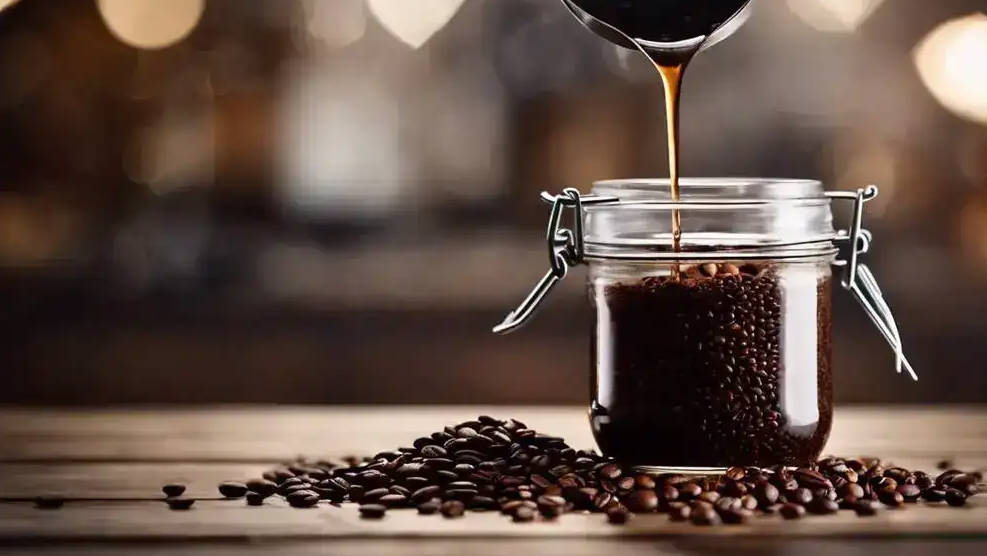
Advanced cold brew production moves beyond basic immersion steeping into systematic optimization that maximizes flavor extraction while maintaining the smooth, low-acid character that defines the category. Understanding extraction variables specific to cold brewing enables professionals to produce cold brew that stands alongside hot brewing methods in complexity and quality.
Cold brew extraction operates under different principles than hot brewing. The dramatic temperature reduction slows extraction kinetics fundamentally; compounds that extract readily in hot water require extended time in cold. This changed relationship affects every production decision.
I approach advanced cold brew as a distinct extraction discipline rather than simply slower hot brewing. The different extraction dynamics produce different compound profiles; techniques must be optimized specifically for cold extraction rather than adapted from hot brewing conventions.
Grind size optimization for cold brew requires experimentation beyond conventional wisdom. While coarse grinds are standard, the optimal coarseness depends on steep time, filtration method, and desired intensity. Finer grinds with shorter steeps may produce different profiles than coarser grinds with longer steeps.
I experiment with grind-time combinations systematically, documenting how variations affect flavor, body, and clarity. This systematic exploration reveals optimal combinations for specific coffees and goals beyond generic recommendations.
Steep time optimization extends beyond simple duration to consider time-temperature interactions. Room temperature extraction proceeds faster than refrigerated; the hours of difference over extended steeping significantly affect results. Time and temperature must be considered together.
I optimize steep time based on steeping temperature, using shorter times for warmer extraction and longer times for refrigerated steeping. This temperature-aware timing ensures appropriate extraction regardless of storage conditions.
Multi-stage extraction approaches enable refined flavor development. Initial cold extraction followed by brief hot extraction, or vice versa, combines cold brew smoothness with hot extraction complexity. These hybrid approaches expand cold brew possibilities.
I explore multi-stage extraction for coffees where single-stage cold brewing doesn't fully express their characteristics. This advanced approach unlocks complexity that pure cold extraction may not achieve.
Concentrate production for dilution service enables operational efficiency while maintaining quality. Producing at higher strength then diluting to serving concentration preserves flavor while reducing production volume. Proper concentrate ratios ensure quality through dilution.
I develop concentrate production protocols with tested dilution ratios that maintain quality. This concentrate approach enables efficient production while ensuring that diluted product meets quality standards.
Filtration optimization affects both clarity and body. Multiple filtration stages using different filter types produce different results than single-stage filtration; filtration sequence and filter selection merit deliberate attention.
I develop filtration protocols appropriate to target product character, using multiple stages when clarity matters and simpler approaches when body preservation is priority. This intentional filtration shapes final product character.
Nitrogen infusion transforms cold brew into nitro coffee, adding textural dimension that straight cold brew cannot provide. Understanding nitrogen infusion parameters enables consistent, high-quality nitro production.
I optimize nitrogen infusion for each cold brew base, adjusting pressure and technique based on concentrate strength and desired texture. This infusion optimization ensures that nitro products meet textural expectations.
Flavor infusion into cold brew creates product line extensions. Vanilla, chocolate, seasonal flavors, or functional ingredients can be incorporated through various methods. Infusion technique affects flavor integration and shelf life.
I develop infusion protocols for flavor variants, testing integration methods for quality and stability. This systematic flavor development enables product line expansion without quality compromise.
Shelf life management through production scheduling and storage optimization ensures quality throughout product lifecycle. Cold brew stability varies with production parameters; understanding these relationships enables quality maintenance.
I establish production scheduling based on shelf life research, ensuring that product reaches customers within optimal windows. This lifecycle management balances production efficiency with quality assurance.
Quality consistency across batches requires attention to all production variables. Cold brew's extended production time amplifies variable effects; systematic control enables reproducible results that customers can rely upon.
I document all production variables and outcomes, establishing standard operating procedures that ensure batch-to-batch consistency. This documentation discipline transforms cold brew from variable product into reliable specialty offering.
My professional conclusion is that advanced cold brew technique elevates the category from convenient refreshment to legitimate specialty coffee preparation. Systematic attention to extraction variables, filtration optimization, and production discipline produces cold brew that demonstrates craft and delivers complexity worthy of specialty positioning.

Sophia Reynolds
Emma Johnson is a coffee expert with years of experience in brewing techniques, coffee culture, and the global coffee industry. She has extensive knowledge of coffee origins, roasting methods, equipment, and preparation practices, and regularly shares insights, guides, and tips to help enthusiasts and beginners enhance their coffee experience.
You Might Also Like
Comments
-
 Reply
ReplySophia Reynolds
Jun 23, 2025, 11:45 am
I’ve been experimenting with different brewing methods for a few months, and this guide really helped me understand the nuances between pour-over and French press. The tips on water temperature and grind size were especially useful. Thanks for sharing such a detailed article!
-
 Reply
ReplyRonda Otoole
Jun 23, 2025, 11:45 am
As a beginner, I often struggle with choosing the right coffee beans. This post broke down the flavor profiles clearly and gave practical advice on selecting beans based on taste preferences. I feel much more confident in my next purchase now.
 Reply
ReplyJames Whitley
Jun 23, 2025, 11:45 am
Loved the section about sustainable coffee practices! It’s great to see articles that not only focus on brewing but also educate readers on ethical sourcing and environmental impact. Definitely inspired me to try beans from local fair-trade roasters.
-
 Reply
ReplyKimberly Chretien
Jun 23, 2025, 11:45 am
I tried some of the latte art tips from this blog, and even though I’m still a beginner, my coffee looks way better now. The step-by-step instructions and real-world examples made it really easy to follow. Can’t wait to try more techniques!
-
 Reply
ReplySophia Reynolds
Jun 23, 2025, 11:45 am
I really appreciate how this post explains coffee concepts in a simple, approachable way. The breakdown of aroma, acidity, and body helped me understand why different coffees taste the way they do. It’s the kind of article I’ll come back to whenever I try a new bean.