

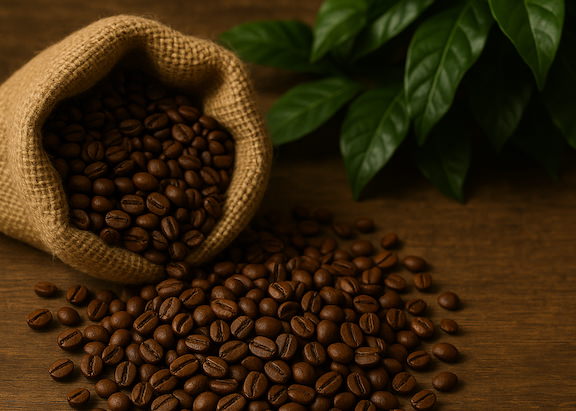
Single origin coffee's value proposition—distinctive character derived from specific place, variety, and processing—depends on brewing that reveals rather than obscures these characteristics. Having spent years training baristas, developing brewing protocols, and testing the same coffees across multiple methods, I have developed approaches that maximize single origin expression. This guidance extends beyond basic competence to advanced techniques that serious enthusiasts and professionals can apply.
Water quality forms the foundation of coffee extraction and receives insufficient attention relative to its importance. Coffee is approximately 98% water; the dissolved minerals in that water interact with coffee compounds during extraction, affecting both extraction efficiency and flavor expression. Water that is too soft under-extracts, producing sour, thin results; water that is too hard over-extracts and can produce harsh, chalky character while also scaling equipment.
The Specialty Coffee Association's water quality standard provides a starting framework: total dissolved solids of 75-250 ppm (target 150), calcium hardness of 17-85 ppm (target 68), total alkalinity of approximately 40 ppm, pH of 6.5-7.5, and sodium below 30 ppm. However, these ranges are broad, and specific coffees may perform better with specific water profiles within those ranges. I have experimented with water recipes that emphasize magnesium for brighter acidity expression versus calcium for fuller body, finding that water formulation can meaningfully shift how a single origin expresses.
For those unwilling to formulate custom water, Third Wave Water and similar products provide convenient options. At minimum, avoid distilled water (which under-extracts and can damage equipment) and heavily treated municipal water that may contain chlorine or excessive minerals. If your tap water tastes unpleasant, it will make unpleasant coffee regardless of bean quality.
Temperature control affects extraction rate and compound solubility. Higher temperatures extract more rapidly and access compounds that lower temperatures leave behind; lower temperatures produce slower, more selective extraction. The conventional target of 92-96°C works for most coffees, but single origins with specific characteristics may benefit from adjustment. Light-roasted, high-acidity coffees often benefit from slightly higher temperatures that ensure full extraction; dark-roasted or naturally processed coffees may benefit from slightly lower temperatures that avoid over-extraction of bitter compounds.
I test new single origins across a temperature range, typically 90°C to 97°C in 2-degree increments, documenting how temperature affects perceived acidity, sweetness, body, and overall balance. This testing reveals the optimal temperature for each specific coffee—information that generic brewing guides cannot provide. The investment in systematic testing pays returns in consistently excellent results.
Grind size and uniformity determine extraction rate and evenness. Finer grinds expose more surface area, accelerating extraction; coarser grinds slow extraction. More importantly, particle size distribution affects extraction uniformity—grinders that produce wide particle distributions create uneven extraction where fines over-extract while coarse particles under-extract. Quality grinders produce narrow distributions that enable predictable, even extraction.
Grind adjustment should respond to the specific coffee being brewed. Denser coffees from high altitudes often require finer grinding than lower-density coffees to achieve similar extraction levels. Lighter roasts, with their less-developed cellular structure, may also require finer grinding. I adjust grind for each new coffee rather than maintaining fixed settings, using taste feedback to optimize.
For pour-over methods, technique variables beyond grind and water temperature significantly affect results. Bloom time—the initial water addition that releases carbon dioxide and prepares grounds for extraction—affects degassing and extraction uniformity. Standard recommendations of 30-45 seconds work for most coffees, but very fresh coffees may benefit from longer blooms while older coffees may need shorter blooms or no bloom at all.
Pour rate and pattern affect extraction through water contact time and agitation. Faster pouring speeds water through the bed more quickly, potentially under-extracting; slower pouring increases contact time but may also channel if the bed is disturbed unevenly. Consistent, controlled pouring that maintains even saturation produces the most predictable results. Spiral patterns that progress from center to edge and back distribute water evenly across the bed.
Agitation—the physical disturbance of the coffee bed—can increase extraction by exposing fresh surfaces and preventing channeling, but excessive agitation over-extracts and produces harsh results. Light stirring or swirling after water addition can improve extraction uniformity, particularly for flat-bottom brewers like Kalita Wave. The Rao spin—a gentle swirl after the final pour—levels the bed and improves draining consistency.
Immersion methods like French press and AeroPress present different optimization opportunities. Contact time is the primary variable; longer steeping increases extraction regardless of technique variation. I typically test immersion timing in 30-second increments, evaluating how extraction develops over time for each specific coffee.
AeroPress in particular offers exceptional versatility for single origin exploration. Inverted versus standard orientation, varied steep times, different filter types (paper, metal, cloth), and pressure variation all affect extraction character. I have developed specific AeroPress protocols for different coffee types—one emphasizing body and sweetness for chocolatey Brazilians, another emphasizing clarity and acidity for Ethiopian naturals.
Cold brewing and iced coffee methods extract differently than hot methods and may highlight or suppress different single origin characteristics. The extended extraction time of cold brewing (typically 12-24 hours) extracts compounds that hot brewing does not, while the low temperature leaves other compounds behind. Single origins that excel hot may disappoint cold and vice versa. I recommend testing before committing to cold brewing a specific single origin.
Documentation enables refinement and reproducibility. Recording grind setting, dose, water volume, temperature, technique, and timing for each brewing session—alongside sensory evaluation of the result—creates data that informs optimization over time. I maintain brewing logs for coffees I buy repeatedly, developing refined protocols that maximize each coffee's potential.
My conclusion from years of brewing optimization is that single origin coffee rewards attention and experimentation. The distinctive characteristics that justify single origin positioning express most clearly when brewing variables are optimized for the specific coffee. Generic recipes produce acceptable results; deliberate optimization produces excellence. For anyone serious about experiencing what single origin coffee can offer, investing in systematic brewing development is as important as investing in quality beans.

Daniel Carter
Emma Johnson is a coffee expert with years of experience in brewing techniques, coffee culture, and the global coffee industry. She has extensive knowledge of coffee origins, roasting methods, equipment, and preparation practices, and regularly shares insights, guides, and tips to help enthusiasts and beginners enhance their coffee experience.
You Might Also Like
Comments
-
 Reply
ReplyDaniel Carter
Jun 23, 2025, 11:45 am
I’ve been experimenting with different brewing methods for a few months, and this guide really helped me understand the nuances between pour-over and French press. The tips on water temperature and grind size were especially useful. Thanks for sharing such a detailed article!
-
 Reply
ReplyRonda Otoole
Jun 23, 2025, 11:45 am
As a beginner, I often struggle with choosing the right coffee beans. This post broke down the flavor profiles clearly and gave practical advice on selecting beans based on taste preferences. I feel much more confident in my next purchase now.
 Reply
ReplyJames Whitley
Jun 23, 2025, 11:45 am
Loved the section about sustainable coffee practices! It’s great to see articles that not only focus on brewing but also educate readers on ethical sourcing and environmental impact. Definitely inspired me to try beans from local fair-trade roasters.
-
 Reply
ReplyKimberly Chretien
Jun 23, 2025, 11:45 am
I tried some of the latte art tips from this blog, and even though I’m still a beginner, my coffee looks way better now. The step-by-step instructions and real-world examples made it really easy to follow. Can’t wait to try more techniques!
-
 Reply
ReplyDaniel Carter
Jun 23, 2025, 11:45 am
I really appreciate how this post explains coffee concepts in a simple, approachable way. The breakdown of aroma, acidity, and body helped me understand why different coffees taste the way they do. It’s the kind of article I’ll come back to whenever I try a new bean.