
2025 World Coffee Producers Forum: Historic Agreements Reshape Global Trade
December 17, 2025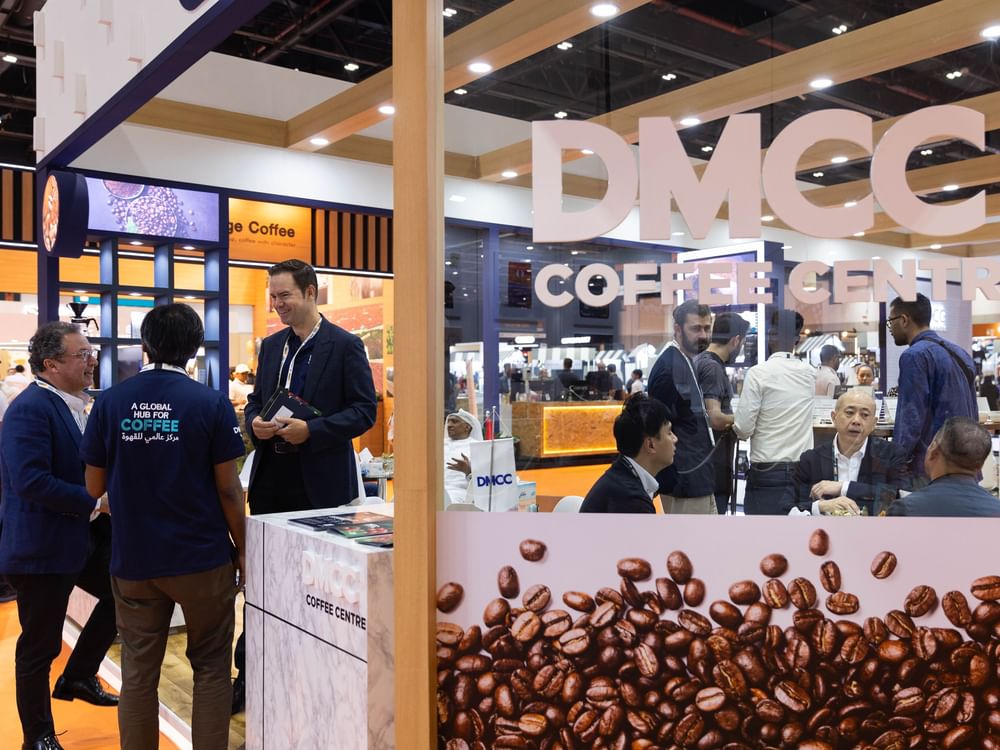
The 2025 World Coffee Producers Forum concluded last week in Bogotá, Colombia, marking what many industry observers are calling a watershed moment for global coffee trade. Having attended the five-day summit and conducted extensive interviews with delegates from 47 producing and consuming countries, I can report that the agreements reached will fundamentally alter how coffee moves from farm to cup over the coming decade.
The centerpiece achievement was the Bogotá Framework Agreement, a comprehensive trade protocol that establishes minimum price floors tied to production costs rather than commodity market speculation. This represents a significant departure from the historical C-market pricing mechanism that has governed coffee trade since the 1980s. Under the new framework, participating nations commit to purchasing coffee at prices that guarantee farmers at least 25% above documented production costs, with annual adjustments based on inflation indices and input cost surveys conducted by the International Coffee Organization.
The framework addresses a fundamental structural problem that has plagued coffee production for decades. Even during periods of high commodity prices, the majority of the world's estimated 25 million coffee farming families have struggled to achieve economic sustainability. Research presented at the forum by the Coffee Barometer initiative showed that in 2024, approximately 60% of coffee farmers earned less than $2 per day after accounting for production costs—a figure that has remained essentially unchanged despite significant growth in retail coffee prices over the same period.
Implementation details reveal the framework's ambition. Participating consuming countries—initially the European Union member states, the United Kingdom, Canada, Japan, and South Korea—will require importers to demonstrate compliance with minimum price requirements through a new digital traceability system. This system, developed in partnership with blockchain verification company Farmer Connect, will track coffee lots from farm gate to port of entry, creating an auditable chain of custody that ensures price premiums actually reach producers.
The reaction from major roasters has been cautiously supportive, though concerns about competitive dynamics remain. Nestlé, the world's largest coffee company, announced during the forum that it would voluntarily adopt the framework for its entire supply chain, regardless of destination market regulations. Lavazza and Jacobs Douwe Egberts issued similar commitments. However, several major American roasters expressed reservations about implementation timelines, noting that their supply chains lack the traceability infrastructure required for immediate compliance.
Critically, the United States did not sign the Bogotá Framework, leaving the world's largest coffee consuming market outside the agreement. American delegates cited concerns about price controls and potential conflicts with existing trade agreements. Industry analysts I spoke with suggested that domestic political considerations—particularly concerns about consumer price impacts in an election year—influenced the decision. However, several noted that American specialty roasters may voluntarily adopt framework standards to maintain access to the highest-quality lots increasingly flowing toward compliant markets.
The forum also produced significant agreements on climate adaptation financing. The newly established Global Coffee Climate Fund will channel $500 million annually toward farmer support programs focused on varietal development, shade-grown systems, and geographic transition assistance for farms in regions becoming unsuitable for coffee production. Funding will come from a combination of consuming country contributions and a 0.5% levy on certified sustainable coffee exports.
From a market dynamics perspective, the Bogotá Framework introduces unprecedented price discovery challenges. Coffee futures contracts on the Intercontinental Exchange have historically served as the primary mechanism for price discovery and risk management. With significant volumes potentially moving outside this system, traders and analysts will need to develop new frameworks for understanding global supply-demand dynamics. Several trading houses I spoke with are already exploring alternative hedging mechanisms.
The agreements also include provisions for addressing market concentration concerns. The forum's final declaration calls for antitrust reviews of coffee trading and roasting sectors in major consuming markets, noting that four companies now control approximately 40% of global roasted coffee sales. While these provisions lack enforcement mechanisms, they signal growing producer-country frustration with value distribution across the supply chain.
My assessment after extensive analysis is that the Bogotá Framework represents the most significant structural reform attempt in coffee trade since the collapse of the International Coffee Agreement quota system in 1989. Whether it achieves its stated goals depends heavily on implementation consistency and the eventual participation of the United States. However, even partial success would meaningfully improve farmer livelihoods while potentially increasing costs for consumers in participating markets by an estimated 8-15%.
The coming months will reveal how roasters, retailers, and consumers respond to these changes. Early indications suggest that specialty coffee consumers, already accustomed to paying premiums for quality and sustainability, will absorb price increases with minimal resistance. The mass-market segment presents greater uncertainty, as price elasticity research suggests that significant portions of commodity coffee consumers may reduce consumption or trade down to lower-quality alternatives.
What remains clear is that the global coffee industry has entered a period of structural transformation. The Bogotá Framework, whatever its ultimate impact, reflects growing recognition that the current system—which generates over $200 billion in annual retail value while leaving most farmers in poverty—is neither sustainable nor just. The forum's participants have proposed an alternative vision; the industry must now decide whether to embrace it.

Marcus Chen
Emma Johnson is a coffee expert with years of experience in brewing techniques, coffee culture, and the global coffee industry. She has extensive knowledge of coffee origins, roasting methods, equipment, and preparation practices, and regularly shares insights, guides, and tips to help enthusiasts and beginners enhance their coffee experience.
You Might Also Like
Comments
-
 Reply
ReplyMarcus Chen
Jun 23, 2025, 11:45 am
I’ve been experimenting with different brewing methods for a few months, and this guide really helped me understand the nuances between pour-over and French press. The tips on water temperature and grind size were especially useful. Thanks for sharing such a detailed article!
-
 Reply
ReplyRonda Otoole
Jun 23, 2025, 11:45 am
As a beginner, I often struggle with choosing the right coffee beans. This post broke down the flavor profiles clearly and gave practical advice on selecting beans based on taste preferences. I feel much more confident in my next purchase now.
 Reply
ReplyJames Whitley
Jun 23, 2025, 11:45 am
Loved the section about sustainable coffee practices! It’s great to see articles that not only focus on brewing but also educate readers on ethical sourcing and environmental impact. Definitely inspired me to try beans from local fair-trade roasters.
-
 Reply
ReplyKimberly Chretien
Jun 23, 2025, 11:45 am
I tried some of the latte art tips from this blog, and even though I’m still a beginner, my coffee looks way better now. The step-by-step instructions and real-world examples made it really easy to follow. Can’t wait to try more techniques!
-
 Reply
ReplyMarcus Chen
Jun 23, 2025, 11:45 am
I really appreciate how this post explains coffee concepts in a simple, approachable way. The breakdown of aroma, acidity, and body helped me understand why different coffees taste the way they do. It’s the kind of article I’ll come back to whenever I try a new bean.