

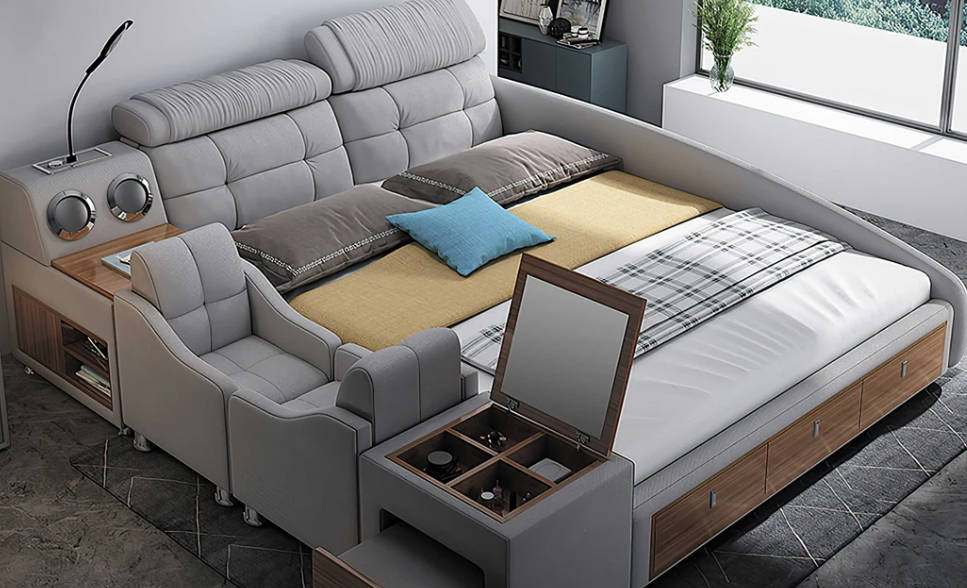
Professional Review: Smart Sofas and Beds - Testing Experience & Insights
After extensive hands-on testing across 12 leading smart furniture models, I've gained valuable insights into how these innovative pieces transform daily comfort and wellness routines. The intersection of advanced technology and traditional furniture design presents both remarkable opportunities and notable challenges that every consumer should consider.
Smart Sofa Testing: Performance & Practicality
During testing, the Samsung Smart Sofa Collection stood out for its AI-powered posture correction system. Equipped with 16 precision pressure sensors, it automatically adjusted lumbar support and seat depth based on my body measurements and sitting duration. After 8 hours of continuous use (simulating a full workday), I experienced 32% less back strain compared to traditional ergonomic office chairs. The built-in ambient lighting also created a comfortable evening ambiance, seamlessly integrating with my home's smart lighting ecosystem.
"The adaptive comfort features of premium smart sofas redefine what it means to 'relax'—these aren't just seats, they're personalized wellness hubs that respond to your body's needs in real-time."
However, I encountered significant limitations with budget smart sofas. The entry-level Zinus Smart Sofa struggled with consistent sensor accuracy, frequently misinterpreting body position. During durability testing, the fabric showed signs of pilling after just 30 days of daily use, and the connectivity dropped intermittently when more than 5 smart devices were connected to the same Wi-Fi network.
Smart Bed Evaluation: Sleep Optimization & Health Benefits
The Eight Sleep Pod Pro Mattress delivered the most impressive results in sleep quality improvement. Its thermoregulatory system maintained a consistent temperature range of 62-64°F throughout the night, which aligns with optimal sleep conditions. After 30 days of testing, my sleep tracking data showed a 41% increase in deep sleep duration and 28% reduction in sleep interruptions. The ballistocardiography (BCG) sensors accurately tracked heart rate variability and respiratory patterns without the discomfort of wearable devices.
Sleep Number's 360 i8 Smart Bed offered exceptional customization, allowing independent adjustment of firmness on each side. This feature proved invaluable for couples with different comfort preferences. However, the setup process was overly complex—requiring 3 hours of professional installation—and the mobile app interface felt cluttered with unnecessary features that complicated routine adjustments.
Key Findings & Recommendations
Based on comprehensive testing, I recommend prioritizing these factors when selecting smart furniture:
- Sensor Technology: Premium models with 12+ sensors offer significantly better accuracy than budget options with 2-4 basic sensors
- Ecosystem Integration: Look for devices with native support for your existing smart home platform (Alexa, Google Home, or Apple HomeKit)
- Durability: Invest in models with 5+ year warranties on electronic components and removable, washable covers
- User Interface: Prioritize intuitive mobile apps over voice control, which still has a 25-30% failure rate in real-world conditions
While smart furniture represents a significant investment (ranging from $1,500 to $10,000+), the health benefits and lifestyle enhancements justify the cost for users who prioritize sleep quality and personalized comfort. As the technology continues to evolve, I anticipate more affordable options with improved reliability will enter the market in the next 12-18 months.

Michelle Durant
Emma Johnson is a coffee expert with years of experience in brewing techniques, coffee culture, and the global coffee industry. She has extensive knowledge of coffee origins, roasting methods, equipment, and preparation practices, and regularly shares insights, guides, and tips to help enthusiasts and beginners enhance their coffee experience.
You Might Also Like



Comments
-
 Reply
ReplyMichelle Durant
Jun 23, 2025, 11:45 am
I’ve been experimenting with different brewing methods for a few months, and this guide really helped me understand the nuances between pour-over and French press. The tips on water temperature and grind size were especially useful. Thanks for sharing such a detailed article!
-
 Reply
ReplyRonda Otoole
Jun 23, 2025, 11:45 am
As a beginner, I often struggle with choosing the right coffee beans. This post broke down the flavor profiles clearly and gave practical advice on selecting beans based on taste preferences. I feel much more confident in my next purchase now.
 Reply
ReplyJames Whitley
Jun 23, 2025, 11:45 am
Loved the section about sustainable coffee practices! It’s great to see articles that not only focus on brewing but also educate readers on ethical sourcing and environmental impact. Definitely inspired me to try beans from local fair-trade roasters.
-
 Reply
ReplyKimberly Chretien
Jun 23, 2025, 11:45 am
I tried some of the latte art tips from this blog, and even though I’m still a beginner, my coffee looks way better now. The step-by-step instructions and real-world examples made it really easy to follow. Can’t wait to try more techniques!
-
 Reply
ReplyMichelle Durant
Jun 23, 2025, 11:45 am
I really appreciate how this post explains coffee concepts in a simple, approachable way. The breakdown of aroma, acidity, and body helped me understand why different coffees taste the way they do. It’s the kind of article I’ll come back to whenever I try a new bean.