

Vienna's Kaffeehauskultur: Where Coffee Houses Built a Civilization
December 02, 2025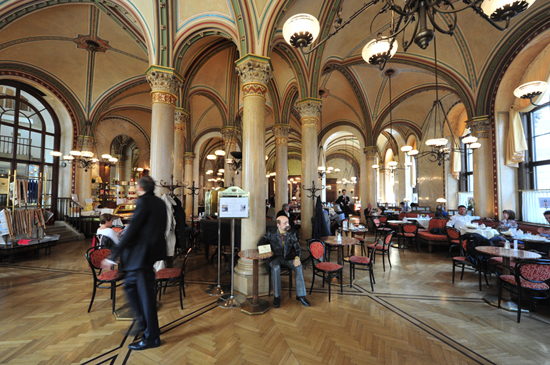
Vienna's coffee houses are not relics of the past preserved for tourists—they are living institutions that continue to shape how Austrians understand public life, intellectual exchange, and the relationship between individual and community. Having spent extended periods writing and researching in establishments like Café Central and Café Sperl, I have come to appreciate why UNESCO recognized Viennese coffee house culture as intangible cultural heritage in 2011.
The Viennese coffee house emerged in the late 17th century following the Ottoman siege of 1683, though the romantic origin story of captured Turkish coffee beans is likely apocryphal. What matters is not the origin myth but the institutional form that developed: a space where patrons could occupy a table for hours with a single purchase, reading newspapers provided free by the house, writing, debating, or simply existing in public solitude.
This concept—'das Kaffeehaus als erweitertes Wohnzimmer' (the coffee house as extended living room)—reflects specific social conditions. Vienna's dense urban housing meant private space was limited. The coffee house offered warmth, light, intellectual company, and a sense of belonging to the middle class that could not afford private salons. Writers, chess players, journalists, and political exiles found in these spaces both anonymity and community.
The historical roster of Viennese coffee house patrons reads like an intellectual history of Europe. Sigmund Freud developed psychoanalytic theory at tables in Café Landtmann. Leon Trotsky played chess at Café Central while planning revolution. Gustav Klimt and the Vienna Secession artists gathered at Café Museum. Arthur Schnitzler, Stefan Zweig, and other literary figures made coffee houses their primary workspaces. These establishments provided the infrastructure for intellectual movements that shaped modern thought.
The physical environment contributes to this cultural function. Viennese coffee houses typically feature high ceilings, marble tables, bentwood Thonet chairs, and natural light through large windows. The atmosphere is quiet but not silent—the particular hum of coffee house conversation, the rustle of newspapers, the gentle clatter of porcelain. Staff are attentive but not intrusive, understanding that patrons may wish to be left alone for extended periods.
The menu itself reflects this culture. Ordering coffee in Vienna is not simple: the Melange (similar to cappuccino but with more milk), Einspänner (espresso with whipped cream in a glass), Verlängerter (extended espresso), Brauner (espresso with a dash of milk), and numerous other preparations each carry specific meanings about strength, milk proportion, and serving style. The coffee is served on a silver tray alongside a glass of water—the water being essential, not decorative. This attention to presentation signals that speed is not the priority.
Pastry accompaniment represents another dimension of coffee house culture. Sachertorte, Apfelstrudel, and dozens of other Viennese pastries developed alongside coffee house culture, creating a symbiosis between coffee and sweets that defines the experience. The quality of pastry often receives as much attention as the quality of coffee—they are complementary elements of an integrated tradition.
Today, Viennese coffee house culture faces the same pressures as traditional institutions everywhere: rising rents, changing work patterns, competition from faster formats. Some historic establishments have closed; others struggle with economic viability. Yet the core proposition remains powerful. In an age of algorithmic isolation, the coffee house offers something increasingly rare: shared physical space without commercial urgency. You are not a customer to be processed, but a guest to be accommodated.
The contrast with contemporary coffee culture is instructive. Where specialty cafés often encourage turnover through uncomfortable seating and to-go emphasis, Viennese coffee houses invite you to stay. Where specialty coffee focuses intensely on the beverage itself, Viennese culture treats coffee as occasion for broader experience. Where modern life fragments time into productive minutes, the coffee house protects extended presence.
I observed during my research that the patrons who best understood this culture were often elderly Viennese for whom the coffee house was lifelong habit, and certain younger visitors—often Americans or Asians—who had discovered something their home cultures lacked. The middle demographic of busy professionals seemed least comfortable with the pace, checking phones, finishing quickly, missing the point.
For global coffee culture, Vienna offers a reminder that coffee's value extends beyond the cup. The beverage is a pretext for something larger—the creation of third places where civilized life can unfold. The specific forms of Viennese culture may not transplant directly to other contexts, but the underlying insight—that coffee can enable experiences more valuable than caffeine delivery—deserves wider application. The best coffee cultures worldwide share this understanding, however differently they express it.

Isabella Romano
Emma Johnson is a coffee expert with years of experience in brewing techniques, coffee culture, and the global coffee industry. She has extensive knowledge of coffee origins, roasting methods, equipment, and preparation practices, and regularly shares insights, guides, and tips to help enthusiasts and beginners enhance their coffee experience.
You Might Also Like
Comments
-
 Reply
ReplyIsabella Romano
Jun 23, 2025, 11:45 am
I’ve been experimenting with different brewing methods for a few months, and this guide really helped me understand the nuances between pour-over and French press. The tips on water temperature and grind size were especially useful. Thanks for sharing such a detailed article!
-
 Reply
ReplyRonda Otoole
Jun 23, 2025, 11:45 am
As a beginner, I often struggle with choosing the right coffee beans. This post broke down the flavor profiles clearly and gave practical advice on selecting beans based on taste preferences. I feel much more confident in my next purchase now.
 Reply
ReplyJames Whitley
Jun 23, 2025, 11:45 am
Loved the section about sustainable coffee practices! It’s great to see articles that not only focus on brewing but also educate readers on ethical sourcing and environmental impact. Definitely inspired me to try beans from local fair-trade roasters.
-
 Reply
ReplyKimberly Chretien
Jun 23, 2025, 11:45 am
I tried some of the latte art tips from this blog, and even though I’m still a beginner, my coffee looks way better now. The step-by-step instructions and real-world examples made it really easy to follow. Can’t wait to try more techniques!
-
 Reply
ReplyIsabella Romano
Jun 23, 2025, 11:45 am
I really appreciate how this post explains coffee concepts in a simple, approachable way. The breakdown of aroma, acidity, and body helped me understand why different coffees taste the way they do. It’s the kind of article I’ll come back to whenever I try a new bean.